
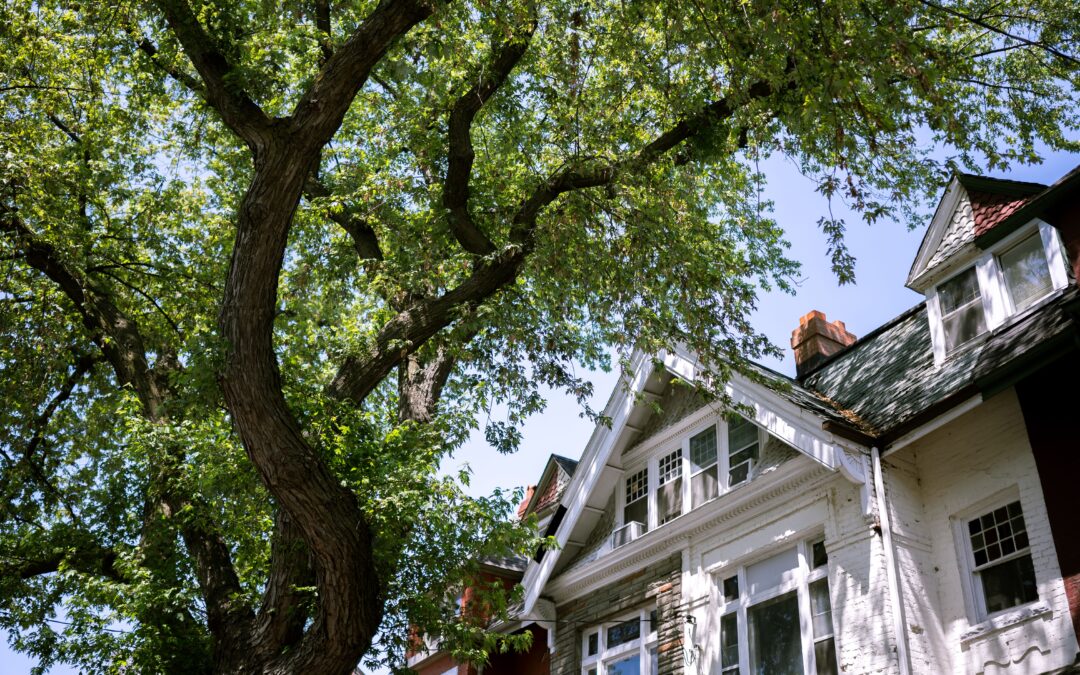
As another warm, dry summer unfolds across much of the UK, concerns about subsidence are once again making headlines. Extended periods of dry weather can cause clay soils to shrink, particularly where mature trees are growing close to buildings. While most properties will never experience subsidence, understanding the warning signs and knowing when to seek advice can help protect your home and avoid unnecessary worry.
What is subsidence?
Subsidence is the downward movement of the ground beneath a building, causing its foundations to shift unevenly. This movement can place stress on the structure and may result in cracks appearing in walls, floors or ceilings.
In the UK, the most common cause of subsidence is the shrinkage of clay soils during prolonged dry weather. Clay naturally expands when wet and contracts as it dries. During extended periods without rainfall, mature trees and shrubs can draw significant amounts of moisture from the ground, increasing soil shrinkage around nearby foundations.
Other causes of subsidence can include:
- Leaking underground drains or water pipes
- Poorly compacted ground beneath foundations
- Historical mining activity
- Changes in groundwater levels
- Excavation or building works close to a property
The role of trees
Trees provide many benefits, including improving biodiversity, reducing urban temperatures and enhancing our gardens. However, on properties built on shrinkable clay soils, certain high water-demand species may increase the risk of subsidence during prolonged dry periods.
Factors influencing the level of risk include:
- The species and mature size of the tree
- Its distance from the property
- Soil type
- Foundation depth
- Local ground conditions
Species commonly associated with higher water demand include willow, poplar, oak, plane, elm and eucalyptus.
It’s important not to assume that a tree should be removed. In some cases, removing a mature tree without professional advice can lead to ground heave—the upward movement of clay soils as they rehydrate—which can also cause structural damage.
Could it be subsidence?
If you’ve noticed cracks in your home, don’t panic. Most cracks found in homes are not caused by subsidence. Buildings naturally move over time due to seasonal changes, normal settlement and the natural expansion and contraction of building materials.
However, it may be worth seeking advice if you notice several of the following:
✔ Diagonal cracks that are wider at one end (typically greater than 3mm)
✔ Cracks appearing both inside and outside the property in the same location
✔ Doors or windows becoming difficult to open or close
✔ Sloping or uneven floors
✔ Cracks becoming noticeably wider over time
How can you reduce the risk?
Simple maintenance can go a long way towards protecting your property:
- Inspect gutters, downpipes and underground drains for leaks.
- Avoid allowing large trees and shrubs to grow unchecked close to your home.
- Seek professional advice before pruning or removing mature trees.
- Take photographs and monitor any cracks over time.
- Contact your insurance adviser promptly if you are concerned about structural movement.
What should you do if you’re concerned?
If you’ve noticed widening cracks or other signs of movement, avoid carrying out permanent repairs until the cause has been investigated.
Early advice can often prevent more extensive damage and provide valuable reassurance. Your insurance adviser can explain your cover and, where appropriate, arrange for further investigation by a loss adjuster or structural engineer.
Most buildings insurance policies include cover for subsidence, heave and landslip, although an increased policy excess often applies.
We’re Here to Help
If you have any concerns about cracks, nearby trees or possible subsidence, our experienced team is here to help. Whether you need guidance on your insurance cover or assistance with a potential claim, we’ll support you throughout the process.