
By Liz Winnicott, M.A., F.G.A., D.G.A.
Valuer, Watches, Jewellery and Luxury Goods Specialist, Gurr Johns International
In working with high-net-worth and ultra-high-net-worth clients, I regularly encounter an assumption that luxury possessions are fully insured — only for clients to discover, far too late, that they are not. The reality is that as markets shift, so do values. Single items, such as watches, jewellery, handbags, or fine art, can appreciate dramatically, and unless insurance policies evolve accordingly, these assets may be significantly underinsured.
Luxury as a Distinct Asset Class
Luxury is no longer merely about craftsmanship or aesthetics; it is a global asset market.
Handbags: A Hermès Birkin purchased for £8,000 a decade ago may now command £25,000–£50,000. Rare or limited editions can exceed £100,000 at auction. Importantly, Hermès does not replace lost or stolen items — accurate insurance cover based on professional valuation is essential to ensure finding a suitable replacement will be possible.
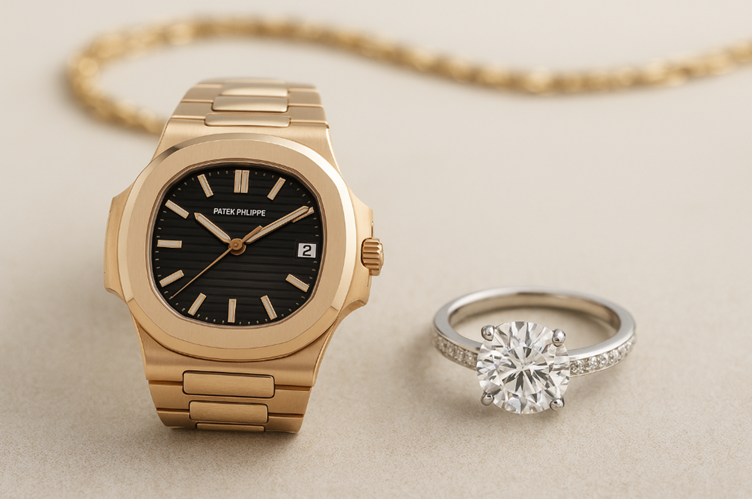
Fine Jewellery: Gold prices have quadrupled over the past ten years, while natural diamonds — particularly high-clarity, large stones — and signed or vintage pieces from Cartier, Van Cleef & Arpels, and Bulgari continue to command exceptional results, often above retail.
Watches: Brands such as Patek Philippe, Rolex, and Audemars Piguet remain highly sought after. A Rolex Daytona purchased for £10,000 a few years ago can now sell for more than three times that value on the secondary market.
These examples are not anomalies. Across categories, values are rising faster than many clients or advisers realise, particularly for single items exceeding £25,000 and fine art over £50,000.
Where Clients Are Most Exposed
The primary risk is underinsurance.
Many HNW and UHNW clients assume their household or contents policy automatically covers these high-value items. In reality, standard policy sub-limits frequently cap individual items at a fraction of their current value. Unless every item is professionally valued and itemised, clients may face significant shortfalls in the event of loss, theft, or damage.
I have seen collections that doubled or even tripled in value over a few years, yet insurance documents had not been updated. When a loss occurs, the consequences are immediate and severe — for both the client and the broker.
The Importance of Regular Valuations
A professional valuation is far more than a formality; it is a critical tool for risk management.
It ensures coverage reflects current replacement values, not historical purchase prices.
It provides vital supporting documentation — detailed descriptions, photographs, provenance, and serial numbers — invaluable when processing claims.
For brokers, up-to-date valuations reinforce policy integrity, ensuring coverage is defensible and aligned with underwriting expectations.
For jewellery, watches and luxury items, we recommend reviews every two to three years, or sooner following significant acquisitions or during periods of high market activity. For collections of more traditional fine art, antiques and general contents a revaluation every five years is advised.
Luxury items — whether watches, jewellery, handbags, or fine art — are both personally meaningful and financially significant. For clients holding single items over £25,000 or artworks over £50,000, failing to maintain current valuations can expose both the asset and the adviser to unnecessary risk.
Regular, professional valuations protect clients, safeguard policy integrity, and provide brokers with confidence that the insurance placed is accurate, comprehensive, and defensible.
A valuation isn’t just about numbers — it’s about peace of mind for both client and adviser.